Targeted media coverage, brand awareness, thought leadership. Public Relations.

♦ Communications that Connect ♦
♦ Communications that Connect ♦



Targeted media coverage, brand awareness, thought leadership. Public Relations.
 Podcasts, white papers, case studies, bylined articles, sales support.
 Branding, market research, business plans, marketing plans.
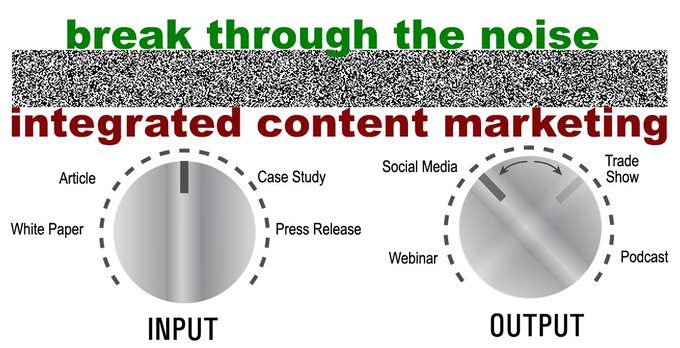
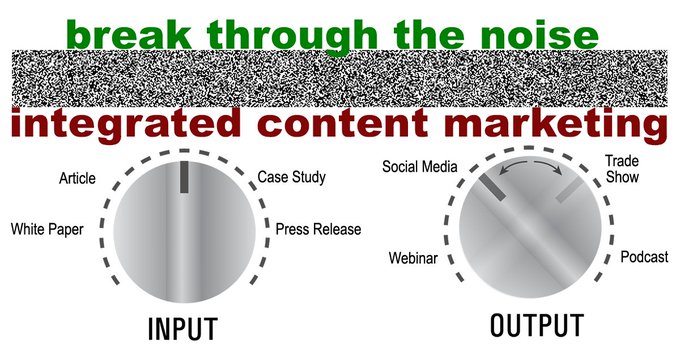
BBI’s Content Marketing service helps you systematically deliver quality content that gets read, shared and re-tweeted. We create, augment, pool, optimize, distribute and manage your articles, blog posts, case studies, white papers and tweets…enabling you to consistently reach and engage customers, strategic partners and industry influencers with timely and high impact marketing messages. See more.

New: The Story Behind the Stories: a Primer on Contemporary PR Practice
Insights:
♦ The Perils of Business Jargon (Medium)
♦ Content Marketing: to Be Seen You First Must Be Heard (Medium)
♦ Sales Enablement: Content & Technology that Shortens Sales Cycles (Blog)
♦ A Public Relations Primer: How the Sausage Gets Made (Blog)
♦ Breaking through to lucrative IT market (Ad Age)
♦ How to Do Your Own PR Campaign: 8 Steps & 3 Mistakes to Avoid (Marketing Sherpa)
♦ The Art of Social Media Success (Employee Benefit Adviser)
♦ Making News (Medium)
SEO and Digital Marketing Services in Partnership with:


More B2B marketers are realizing the power of podcasting to engage, inform and influence. BackBone’s “pod-uction” team offers professional-level production, hosting, distribution and promotion. Click here to learn more.
New! Produced and hosted by BBI
 .
.
White Papers
The Modern Marketer’s Most Versatile Tool
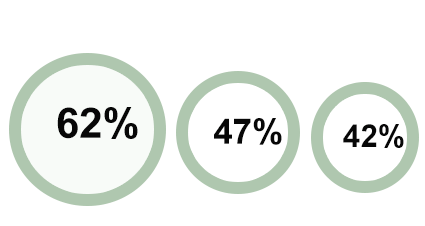
Today, readers skim and skimmers watch it on Youtube. But they will suspend their texting and tweeting for a concise, informative, timely white paper.
It’s why white papers are a go-to resource for B2B marketers looking to demonstrate expertise and build trust. They are also content factories, providing rich source material for multiple tweets and Facebook/Linkedin/Blog posts and articles.
BBI’s “Turnkey” White Paper Service
♦ IT, Healthcare and HR subject matter experts manage entire process, from initial intake to final product.
♦ “Modern” white papers tailored for a readership used to messages that are considerably shorter and more visual.
♦ Coordinated content marketing/media campaigns centered on white paper/s.
Click for more on the turnkey process.

Everything you need to know to produce high-performing white papers.
© 2021 BackBone, Inc.
BackGround
BackBone, Inc. is a full-service public relations, content marketing, and business development firm specializing in healthcare, workforce management (HR) and information technology.
In partnership with CuriousCheck, a leading digital marketing firm, BackBone provides SEO-infused “assets” (landing pages, case studies, white papers, etc.) and growth hacking tools that allow clients to raise their profile and establish clear differentiators in a competitive market. BackBone’s experienced production team enables companies to deliver professional-grade branded podcasts that compellingly and authentically communicate their core marketing messages.
Currently, BackBone produces and hosts WorldatWork’s Work in Progress Podcast, the EAPA Podcast (Employee Assistance Professionals Association), the Leading Edge, and NSFW.
⇒ New: the NSFW Podcast, by BackBone’s Charles Epstein

◊ 30+ years of pr, marketing, and business development experience
◊ Deep, broad “domain expertise”
◊ Creative communications that break through the noise
◊ Relationships with top reporters, bloggers, analysts
◊ Integrated programs that use traditional/social media channels to reach your targeted audience/s
◊ SEO-infused digital “assets”
◊ Branded podcast production and marketing
◊ Scalable and lean, we grow to meet your needs
◊ Responsive, outcomes-based service
Podcast produced and hosted by BBI about work, life and everything in between.  On Apple Podcasts, Stitcher and Spotify.
Targeted media coverage, brand awareness, thought leadership.
 White papers, case studies, bylined articles, sales support.
 Branding, market research, business plans, marketing plans.

BBI’s Content Marketing service helps you systematically deliver quality content that gets read, shared and re-tweeted. We create, augment, pool, optimize, distribute and manage your articles, blog posts, case studies, white papers and tweets…enabling you to consistently reach and engage customers, strategic partners and industry influencers with timely and high impact marketing messages.
New: The Story Behind the Stories: a Primer on Contemporary PR Practice
Insights:
♦ Content Marketing: to Be Seen You First Must Be Heard (Medium)
♦ Sales Enablement: Content & Technology that Shortens Sales Cycles (Blog)
♦ A Public Relations Primer: How the Sausage Gets Made (Blog)
♦ Breaking through to lucrative IT market (Ad Age)
♦ How to Do Your Own PR Campaign: 8 Steps & 3 Mistakes to Avoid (Marketing Sherpa)
♦ The Art of Social Media Success (Employee Benefit Adviser)
♦ Making News (Medium)
White Papers
The Modern Marketer’s Most Versatile Tool
White papers are a go-to resource B2B marketers looking to demonstrate expertise and build trust. They are also content factories, providing rich source material for multiple tweets, posts and articles.
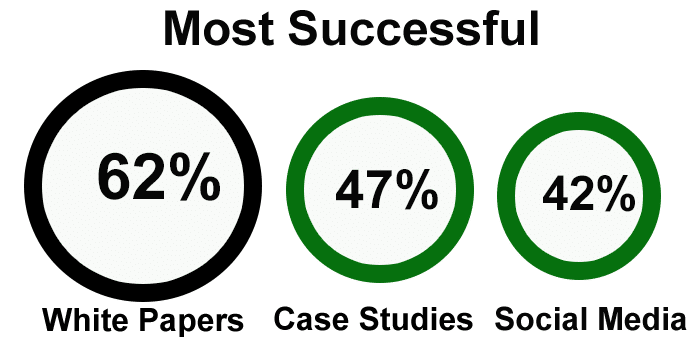
BBI’s white paper service gives you the ability to produce and distribute deeply researched, rigorous and highly engaging white papers. Highlights:
♦ Subject matter expertise: IT, healthcare, workforce management.
♦ “Modern” white papers tailored for a readership used to messages that are considerably shorter and more visual.
♦ Coordinated content marketing/media campaigns centered on white paper/s.
 Everything you need to know to produce high-performing white papers.
BackBone, Inc. is a full-service PR and marketing communications firm specializing in technology, healthcare and workforce management.
BackBone has also developed a number of innovative employee engagement, wellness and communications programs, including: PEAQuest (a game-based HRA platform), Weekend Warrior (a wellness competition based on weekend activities), RadioCEO (interviews with some of the world’s most interesting executives), TweetureFeature (combining pop culture and wellness) and mBARC (a mobile app that supports expats and business travelers).
⇒ New: NSFW, a monthly humor column by BackBone’s Charles Epstein: 
◊ 30+ years of pr, marketing communications and business development experience
◊ Deep, broad “domain expertise”
◊ Creative communications that break through the noise
◊ Relationships with top reporters, bloggers, analysts
◊ Integrated programs that use traditional/social media channels to reach your targeted audience/s
◊ Scalable and lean, we grow to meet your needs
◊ Responsive, outcomes-based service
 Brand awareness, market positioning, thought leadership.White papers, case studies, webinars, social media. Branding, market research, business plans, marketing plans.







Imposter syndrome is just a humble brag...
MoreEmployee recognition - not everyone needs your affirmation!...
More
Podcasts promote more authentic communication....
More
HR marketing specialists to deliver PR, content marketing, SEO....
MoreBBI Highlights
◊ 30+ years of pr, marketing and business development experience
◊ Deep, broad “domain expertise” (HR, IT, Healthcare)
◊ Relationships with top reporters, bloggers, analysts
◊ Integrated programs that use traditional/social media channels to reach your targeted audience/s
◊ Scalable and lean, we grow to meet your needs
◊ Producer, Host of WorldatWork’s Work in Progress Podcast
Send the Right Message…Reach the Right People
Regardless of your company’s size or years of experience, BackBone can help you execute more integrated, consistent, and effective marketing communications, public relations, and business development initiatives—resulting in:
• Heightened product & company recognition
Increased sales and market share
• Investment
• Overall strategic business growth
Let us know when you’d like to schedule a call to discuss your challenges and goals and how we can help.